Contact Lenses & Eye Health
Contact Lens Wear and Good Eye Health Practice
Frequent eye exams are indispensable to your eye health. Since the eye is a sensitive organ, it undergoes many changes over a lifetime - changes that may be imperceptible to you, but which can lead to difficulties if left undetected. Only your eyecare professional has the specialised knowledge and precision instrumentation available to evaluate the general health of your eyes, as well as the effectiveness of your contact lenses.
Seeing 20/20 isn't the only reason to have an eye exam. During the course of an annual exam, your eyecare professional may not only tell you about the health of your eyes, but also about your health in general.
During an eye exam your eyecare professional may detect the early onset of certain diseases such as glaucoma and cataracts, as well as diabetes, high blood pressure and multiple sclerosis - just by examining your eyes.
In addition to your annual eye exam, your eyecare professional will advise you how often you need to have your eyes checked.
Contact Lens Care
Contact lenses are a great way to correct your vision needs without the need to wear glasses, however, to be a long term contact lens wearer and maintain good eye health it is important to follow your eye care professional's advice. Completing regular follow up checks to maintain eye health is also an important part of successful contact lens wear.
Caring For Your Contact Lenses
Fresh, Clean contact lenses are easy to insert, settle quickly, and feel comfortable instantly. If a lens comes into contact with dust, dirt, hair, etc it can cause irritation to your eye when inserted and may take time to settle down or need to be removed and re-cleaned.
Caring for contact lenses takes a little time each morning and evening to make sure your lenses stay clean and as healthy as possible, and prevent any build up of protein deposits, bacteria, and other unwanted debris. A typical contact lens routine will look like this
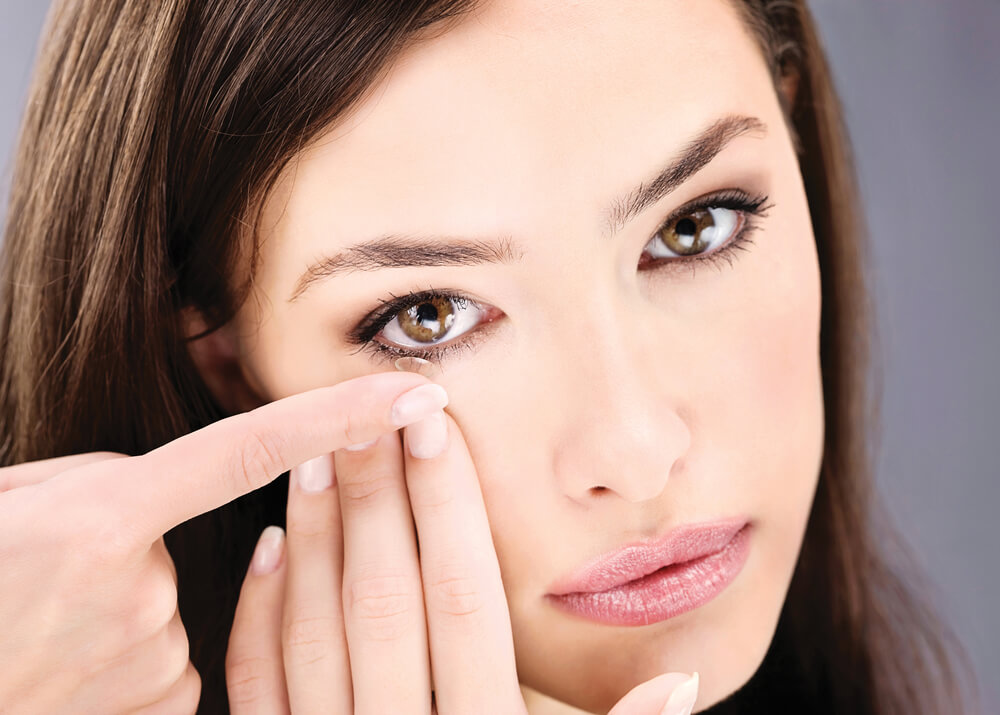
- Wash and thoroughly dry your hands on a lint free cloth before handling your contact lenses.
- Apply a few drops of your contact lens solution on the front and back of the lens and rub gently it with your index finger. You could then either place the contact lens in your eye or put it inside your contact lens case with enough fresh solution to submerge it.
- Change your contact lens container’s solution about every 24 hours.
This will only take a few minutes once you become a competent contact lens wearer.
If you don't want to spend a few minutes daily caring for your eyes then daily disposable contact lenses would be a good choice, according to the British Contact Lens Association -BCLA- "Wearing these lenses for only a day reduces the exposure of the eyes to debris that can build up on the lens with time and avoids any sensitivity to contact lens solutions. In fact, these lenses are considered to be one of the safest and most trouble-free contact lens options."
As daily disposable lenses require no cleaning or care routine, simply insert a fresh pair every morning and dispose of them at night.
The potential problems that contact lens wearers may experience from improper use can include itchy eyes, reddened eyes, eyes that feel tired or dry, and also more serious vision problems including infections. It is essential that you follow your eye care professional's directions and all labelling instructions for the proper use of your lenses and lens care product, including the lens case.
How To Make Wearing Contact Lenses Safe
Most contact lens wearers will never experience problems with their lenses.
Our optometrist suggests following these simple guidelines to help improve your contact lens experience and help keep your eyes as healthy as possible:
- Before handling your lenses, always wash, rinse and dry your hands. Use a mild soap for washing and a lint-free towel for drying your hands
- Avoid getting lotions, creams, or sprays in your eyes or on your lenses
- Lenses should be inserted before applying makeup and removed before removing makeup. Oil-based makeup is more likely to damage your lenses than water-based cosmetics
- Do not use saliva, tap water, homemade saline solution, or any other liquid than the recommended solutions to wet or soak your lenses
- Empty and rinse your lens case every day with fresh sterile rinsing solution - unless wearing daily disposables
- Allow the case to remain open so it can air-dry
- Replace your lens case monthly
- Do Not swim, bath, or use a hot tub while wearing lenses
- Remove lenses before sleeping -unless you are wearing extended wear lenses
- If your lenses are causing irritation then remove them
- If in doubt seek medical advice, either from us online, your optometrist or your local A and E department
Contact lens manufacturers continue to stress the importance of proper contact lens wear and care. These efforts include providing detailed instructions that provide important health and safety information within each pack of lenses, so if you are looking for a quick refresher you can check out our videos and help pages or read through the reminder within your contact lens box.
Contact lenses wearers who wear and care for their lenses properly will experience few problems.
Contact Lens Solution and Eye Health
Contact lens solutions are an important part of good contact lens wear, and eye health. There are various types of solutions on the market and your eye care professional will advise the best one for you and your lenses.
Our optometrist explains the purpose of each type of solution
- Cleaning Solution - removes dirt, mucus, and debris that accumulate on the lenses during wear.
- Rinsing Solution - removes other solutions and debris from the lenses. It is also used to prepare the lenses for wear.
- Disinfecting Solution - kills bacteria on the lenses which could cause eye infections.
- Multi-Purpose Solution - cleans, rinses, and disinfects the lenses.
- Rewetting Drops - lubricate the lenses while you're wearing them. This can enhance the comfort of your lenses throughout the day.
Use only fresh, sterile solutions for cleaning, rinsing, and disinfecting. Once solutions are open they begin to deteriorate and only remain fresh for approximately 1 month, if your solution has been open longer than a month, throw it away. To prevent solutions from becoming contaminated after opening; do not touch the open bottle tips to any surfaces. It's advised to speak to your eye care professional for approval before changing brands of solution.